

The shore, the beach, of ocean or sea… many of us are drawn to their beauty and that special feeling they provide when we are there. Seaside vacations are among the most popular worldwide. Of course, there is so much to physical fun and beauty to consider as to why we are drawn to them, but I invite you to explore more about how our bodies react to when engaged with these environments, and how they benefit us on a much deeper level than we may realize.
Sea water, whether through ocean immersion, salt baths, or mineral-rich foot soaks, offers profound benefits for the human body. Far beyond relaxation, salt water acts as a bioelectric, anti-inflammatory, and nervous-system–regulating therapy, grounded in both ancient wisdom and modern science.
As we will cover in more depth, sea water is rich in minerals such as magnesium, calcium, potassium, sodium, chloride, iodine, and trace elements, it supports physical repair, emotional regulation, and cellular balance. Its effects extend through the skin, lungs, nervous system, lymphatic system, and even the body’s electrical field.
Mineral-Rich Water and Skin Health
Have you ever noticed how, for most of us, our skin’s appearance improves when on a beach vacation? This isn’t only due to the sun’s bronzing rays. Salt water improves skin health by supporting circulation, cell regeneration, and microbial balance. It has long been used to help manage conditions such as eczema, psoriasis, and acne.
Beyond what we can see in the mirror, salt water is quietly doing a lot of supportive work beneath the surface. When you swim in the ocean, the minerals naturally present in seawater (like magnesium, calcium, potassium, and sodium) interact with the skin in ways that encourage balance and repair. These minerals help draw out impurities, calm inflammation, and support the skin’s natural barrier, which is essential for healthy, resilient skin.
Salt water also acts as a natural exfoliant, gently removing dead skin cells while increasing circulation to the skin’s surface. This improved blood flow brings oxygen and nutrients to the tissue, supporting cell renewal and healing. At the same time, the ocean’s natural antiseptic and antibacterial properties help reduce harmful bacteria on the skin, creating an environment that supports clarity and repair rather than irritation or imbalance.
You don’t have to look far to see that this isn’t just anecdotal. Research has consistently shown what many people already feel firsthand after a few days by the sea. Studies published in Clinical and Experimental Dermatology found that bathing in mineral-rich salt water, particularly from the Dead Sea, led to noticeable improvements in eczema symptoms. Other research has shown similar benefits for psoriasis and acne, largely due to salt’s anti-inflammatory effects and its ability to gently break down excess skin buildup. In simple terms, the minerals help calm the skin, reduce irritation, and support its natural healing process.
It’s one of those situations where science quietly confirms what the body already knows…healing really does happen when we immerse ourselves in nature.
Mineral Absorption Through the Skin (Transdermal Therapy)

As we mentioned above, sea water and salt baths are rich in absorbable minerals, particularly magnesium. Magnesium plays a key role in muscle relaxation, nerve signaling, sleep quality, and pain reduction.
Transdermal magnesium absorption has been debated, but studies (including Waring et al., 2013) suggest measurable increases in magnesium levels in blood or urine following regular salt baths. Dead Sea therapies, in particular, have demonstrated benefits for both skin and rheumatic conditions.
Foot soaks also stimulate nerve endings, a concept recognized in Traditional Chinese Medicine and reflexology, producing calming effects throughout the body.
Respiratory Benefits of Ocean Air and Salt Aerosols
Inhaling salty sea air, often referred to as natural halotherapy, helps clear the respiratory system and reduce inflammation in the lungs and sinuses.
When you spend time near the ocean, you’re breathing in air that’s rich in salt aerosols, negative ions, and microscopic marine particles. These tiny components work together to gently loosen mucus, soothe irritated airways, and support easier, deeper breathing. Many people notice that their chest feels more open, their sinuses clearer, and their breathing less strained after just a short time by the sea.
Salt particles in the air help thin mucus and make it easier for the body to clear it out naturally, which is especially helpful for those dealing with congestion, allergies, or chronic respiratory issues. At the same time, negative ions, which are abundant in ocean air, are known to support lung function and may help reduce inflammation and irritation in the respiratory tract. Even the subtle presence of marine microorganisms contributes to an environment that supports respiratory balance rather than stress.
This is particularly beneficial for individuals with asthma, allergies, bronchitis, or chronic sinus congestion. It’s not uncommon for people to report fewer symptoms, easier breathing, and a general sense of relief when they spend consistent time near the ocean.
There’s science behind this experience as well, even if we don’t usually think about it while taking a deep breath on the shore. Clinical halotherapy has long been used to support conditions like COPD, asthma, bronchitis, and sinus disorders. What makes the ocean unique is that it provides a natural, accessible version of this same therapy. There are no special rooms or equipment required, just the rhythmic air and the salt it carries with it.
Nervous System Calming and Parasympathetic Activation
Being near or immersed in the sea has a powerful calming effect on the nervous system. Immersion in tepid salt water activates the parasympathetic (“rest-and-digest”) response, slowing heart rate and reducing cortisol levels.
This is one of the reasons so many people instinctively feel calmer near the ocean, even without trying to relax. The body naturally shifts out of a constant state of alert and into one of safety and restoration. Muscles soften, breathing slows, and the mind begins to quiet as the nervous system receives cues that it’s okay to let go.
The rhythmic sound of waves plays an important role in this process. Repetitive, predictable sounds are known to guide the brain into more meditative states, similar to what happens during deep breathing or mindfulness practices. At the same time, negative ions in sea air support mood regulation and emotional stability, which may explain why time by the ocean often brings a sense of clarity, ease, and emotional balance. Take a moment to reflect on your experiences in this environment, and begin to understand them from a deeper perspective.
There’s research backing up what many people feel intuitively. A 2018 systematic review on balneotherapy found that saltwater bathing can be beneficial for stress-related conditions, anxiety, and depression. In many ways, the ocean offers a natural form of nervous system therapy. One that gently encourages the body to rest, reset, and restore without effort or force.
Negative Ions: What They Are and Why They Matter
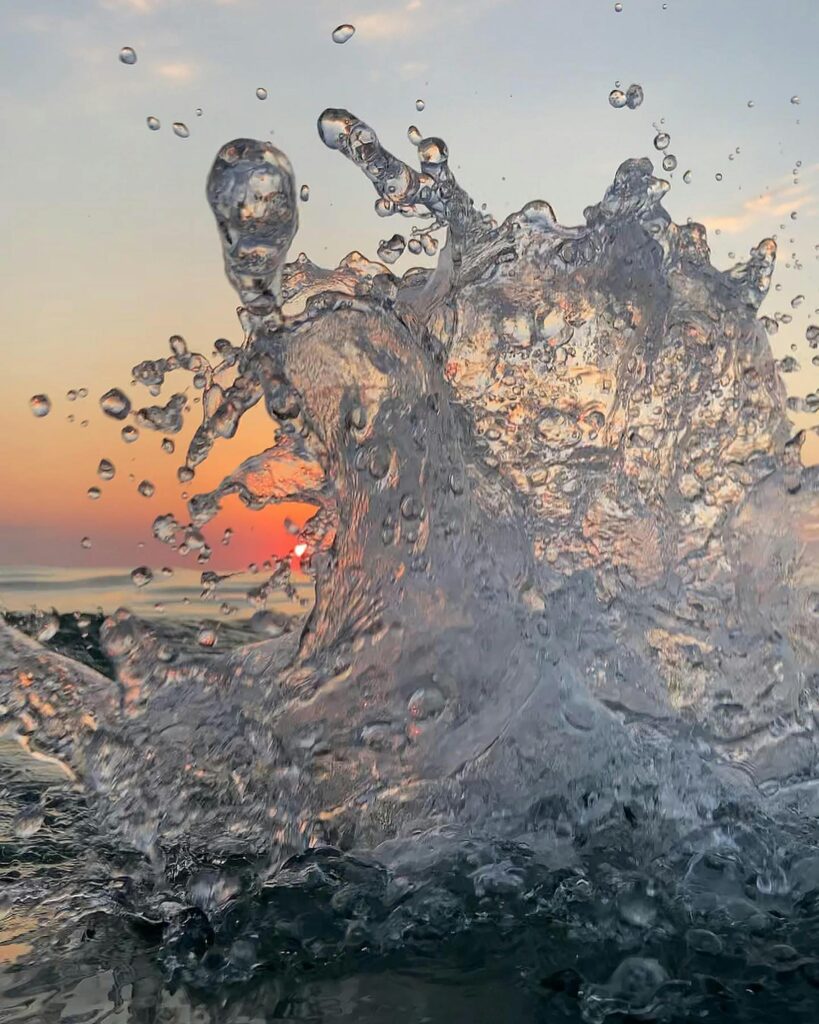
This, in my opinion, is one of the most interesting and important elements to understand. Negative ions are oxygen atoms that carry an extra electron. They are naturally generated by moving water, sunlight, and Earth’s natural radiation.
You’ll find the highest concentrations of negative ions in natural environments, especially where water and movement are present:
Concentrations in nature (ions per cm³):
- Ocean surf / waterfalls: 10,000–50,000
- Mountains / forests: 5,000–10,000
- Indoor urban environments: 100–200
- Air-conditioned rooms: <100
A simple way to think about this is how you feel after spending time at the beach or near a waterfall versus sitting in an enclosed, air-conditioned space for hours. Many people notice clearer thinking, easier breathing, better mood, and a sense of mental reset in natural environments, even if they can’t explain why in the moment.
Negative ions support the body in several meaningful ways. They improve oxygen uptake, help stabilize serotonin production, support antioxidant systems, and are associated with improved mood, alertness, and more balanced sleep cycles.
A randomized, double-blind study (Goel et al., 2005) found that exposure to high-density negative ions significantly improved symptoms of seasonal affective disorder and chronic depression.
Detoxification and Lymphatic Support
Salt water supports detoxification by drawing fluids through the skin via osmosis and stimulating lymphatic flow. While “detox” is difficult to measure directly, research shows that hypertonic solutions like sea salt baths reduce fluid buildup and support lymph movement.
In practical terms, this is why many people notice less puffiness, lighter limbs, or an overall sense of relief after swimming in the ocean or soaking in a salt bath. The lymphatic system relies on movement and fluid balance to do its job, and salt water provides gentle support in both areas without stressing the body.
Regular exposure to marine environments also supports immune function through increased vitamin D synthesis and contact with beneficial microbes. Time spent outdoors near the ocean naturally encourages sunlight exposure, movement, and breathing cleaner air, all of which work together to support immune resilience and overall vitality.
Muscle, Joint, and Inflammatory Relief
Minerals such as magnesium and bromide help reduce muscle tension, spasms, and joint inflammation. Warm salt soaks and ocean swimming have long been used to support arthritis, fibromyalgia, and recovery from physical exertion.
Many people notice this effect almost immediately. Muscles tend to soften, stiffness eases, and movement feels more fluid after time in warm salt water or a swim in the sea. Magnesium, in particular, plays a key role in muscle relaxation and nervous system balance, which helps explain why saltwater exposure can feel both physically relieving and deeply calming at the same time.
There is scientific support for these observations as well. Dead Sea balneotherapy studies published in Rheumatology International (2012) showed reduced pain, stiffness, and inflammatory markers in patients with rheumatoid arthritis and psoriasis. In simple terms, mineral-rich salt water helps calm inflammation while giving the body the conditions it needs to repair and recover.
Circulation and Vascular Health
Warm salt soaks promote vasodilation, increasing blood flow to the extremities. This improved circulation helps deliver oxygen and nutrients to tissues more efficiently, which can leave your hands and feet feeling warmer and more energized. Cold sea immersion, especially when paired with warm foot soaks, provides a natural form of vascular training, gently challenging the blood vessels and supporting overall circulatory resilience.
You might notice this effect after alternating between a warm ocean swim and stepping into cooler water; your body naturally responds by adjusting blood flow, which can improve circulation and even give a subtle boost to alertness and recovery. Many athletes and wellness enthusiasts use this type of contrast exposure to help recover from intense exercise or to invigorate the body after periods of inactivity.
As part of a study, contrast hydrotherapy has been shown to improve circulation, enhance immune function, and shorten recovery time following physical stress, making it a simple, natural way to support vascular health while enjoying the ocean.
Grounding, Free Radicals, and Electrical Balance
Sea water is highly conductive, allowing the body to connect directly to the Earth’s electrical field. This grounding effect neutralizes free radicals. Free radicals are unstable molecules that drive oxidative stress and chronic inflammation. In other words, just by being in contact with salt water, your body can tap into a natural process that supports balance at the cellular level.
When the body absorbs electrons from the Earth, particularly through salt water, free radicals are stabilized, which reduces tissue damage and inflammation. Many people notice a subtle sense of calm, clarity, or “reset” after wading into the ocean, which may be the body responding to this electrical realignment.
A study published in the Journal of Environmental and Public Health (Chevalier et al., 2012) found that grounding can reduce blood viscosity, normalize cortisol rhythms, and lower markers of inflammation. Simply put, connecting with the Earth (especially through mineral-rich salt water) can support both physiological and oxidative balance, helping the body recover from daily stressors naturally.

Practical Ways to Use Sea and Salt Water
| Therapy | Method | Benefits |
|---|---|---|
| Sea Salt Foot Soak | ½ cup sea salt + warm water (20 min) | Stress relief, grounding, circulation |
| Dead Sea Salt Bath | 1–2 cups in warm bath (30 min) | Skin healing, joint relief |
| Ocean Swim | 10–20 minutes | Nervous system reset, lung & skin support |
| Sea Salt Scrub | Sea salt + oil + herbs | Exfoliation, lymph stimulation |
Sleep, Mood, and Hormonal Balance
Sea and salt water exposure helps regulate cortisol rhythms, increase melatonin production, and improve sleep quality. Many people notice that after a day at the ocean, they fall asleep more easily and wake up feeling refreshed, as if their body’s natural rhythms have been gently reset. Negative ions in the air also play a role by increasing serotonin availability, which can reduce anxiety and support emotional balance.
A 2013 study published in the International Journal of Molecular Sciences found that negative air ion therapy improved sleep and reduced symptoms of depression in over 30% of participants. Similarly, grounding studies show that connecting with the Earth (especially through sea or salt water) can improve sleep depth and reduce stress levels. In essence, time by the ocean isn’t just relaxing; it actively helps your body and mind restore hormonal balance and emotional equilibrium.
Closing Reflection

Incorporating time in or around sea and salt water, through swimming, bathing, breathing ocean air, or walking along the shore, offers a natural and accessible way to support the body’s regulatory systems.
The ocean serves as a reminder of the deep relationship between nature and human health. By reconnecting with salt water and the rhythms of the sea, the body is given space to reset, rebalance, and restore.
You do’t need to wait to until a summertime vacation to enjoy some of the benefits the sea can offer. I invite you to incorporate salt water where you can, through bathing, breathing ocean air, or simple foot soaks. Do this and begin to observe how your body responds.
Leave a Reply